Hydraulic Seals
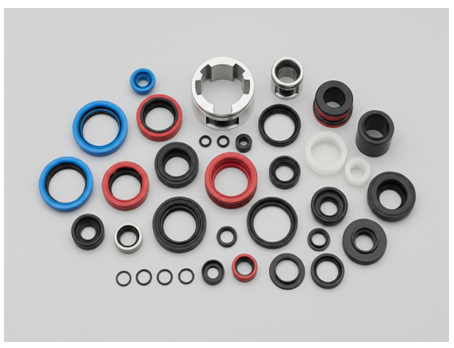
Hydraulic seals are crucial components in hydraulic systems, designed to prevent fluid leakage and maintain pressure within cylinders, pumps, and valves. They play a vital role in ensuring the efficient and safe operation of machinery across various industries, from manufacturing and construction to aerospace and automotive.
Types of Hydraulic Seals
There are several types of hydraulic seals, each designed for specific applications and operating conditions. The primary types include:
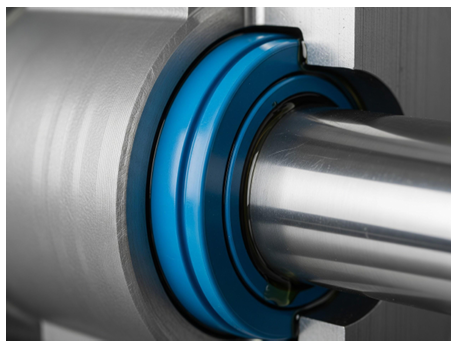
● Rod Seals: These seals prevent leakage of hydraulic fluid from the cylinder past the piston rod. They are essential for maintaining the cylinder's efficiency and preventing external contamination.
● Piston Seals: Piston seals are fitted on the piston to prevent fluid bypass from one side of the piston to the other, ensuring that hydraulic pressure is effectively converted into mechanical force.
● Wiper Seals (Scrapers): Wiper seals are designed to prevent contaminants like dirt, dust, and moisture from entering the hydraulic system. They scrape the piston rod clean as it retracts into the cylinder.
● Buffer Seals: Often used in conjunction with rod seals, buffer seals protect the primary rod seal from pressure spikes and excessive pressure, extending its lifespan.
● Static Seals: These seals are used in applications where there is no relative motion between the mating surfaces, such as O-rings and gaskets, to prevent leakage in stationary components.
● Rotary Seals: Designed for rotating shafts, rotary seals prevent fluid leakage while allowing smooth rotational movement.
Materials Used in Hydraulic Seals
The choice of material for a hydraulic seal depends heavily on the operating temperature, pressure, fluid type, and chemical compatibility. Common materials include:
● Nitrile Rubber (NBR) A versatile and cost-effective material suitable for a wide range of hydraulic fluids and temperatures.
● Polyurethane (PU) Known for its high abrasion resistance and strength, making it ideal for heavy-duty applications.
● Viton (FKM) Offers excellent resistance to high temperatures, chemicals, and aggressive fluids.
● PTFE (Polytetrafluoroethylene) Provides very low friction and excellent chemical resistance, often used in dynamic applications.
● Ethylene Propylene Diene Monomer (EPDM) Suitable for hot water, steam, and some brake fluids, but not recommended for petroleum-based fluids.
Importance of Hydraulic Seals
The proper functioning of hydraulic seals is critical for:
● Preventing Leakage: Seals stop hydraulic fluid from escaping the system, which can lead to inefficient operation, environmental contamination, and safety hazards.
● Maintaining Pressure: They ensure that the hydraulic pressure is contained and directed effectively, allowing the system to perform its intended work.
● Protecting Components: Seals prevent contaminants from entering the system, which can cause wear and damage to internal components.
● Ensuring Efficiency: By minimizing fluid loss and maintaining optimal pressure, seals contribute to the overall efficiency and energy conservation of hydraulic systems.
● Extending Lifespan: High-quality seals reduce friction and wear, thus extending the operational life of hydraulic machinery.