
Seal Kits Information
Seal kits are collections of seals, O-rings, gaskets, and sometimes other components, assembled to facilitate the repair, maintenance, or complete overhaul of specific machinery or equipment. They are essential in maintaining the integrity and performance of systems that contain fluids or gases, such as hydraulic, pneumatic, and fluid power systems.
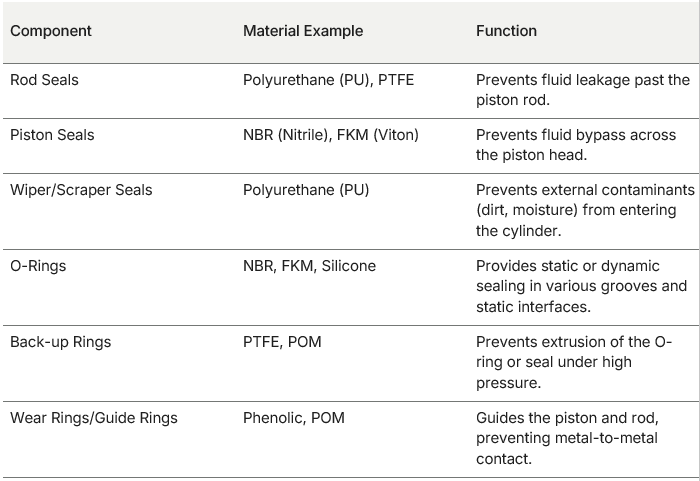
Key Components of a Typical Seal Kit
A seal kit is tailored for a particular application (e.g., a specific cylinder, pump, or valve) and typically includes a variety of sealing elements.
Importance of Using Pre-Packaged Kits
Using a pre-packaged seal kit offers several advantages over sourcing individual components:
- Guaranteed Compatibility: Kits are assembled with the correct sizes, materials, and profiles specifically matched to the equipment manufacturer's specifications.
- Convenience and Time Saving: All necessary components are provided in a single package, streamlining the repair process and reducing downtime.
- Cost-Effectiveness: Purchasing a kit is often more economical than buying all seals separately.
- Optimised Performance: The components are chosen to work together, ensuring the system operates at its optimal level after service.
Application Areas
Seal kits are indispensable across numerous industries and types of machinery:
- Hydraulics: Cylinders (single and double-acting), pumps, motors, and control valves used in construction, agriculture, and manufacturing.
- Pneumatics: Air cylinders, valves, and actuators used in automation and industrial equipment.
Selecting the Correct Seal Kit
To ensure the longevity and reliability of a repair, selecting the correct kit is paramount. The following factors should be considered:
- Equipment Model/Part Number: The most crucial identifier is the equipment's make, model, and serial number, which often correlates directly to a specific kit part number.
- Fluid Compatibility: The seal material must be compatible with the fluid (oil, water, air, chemical) it will be exposed to.
- Operating Conditions: This includes temperature range, pressure levels, and the speed of dynamic movement.